Butternut Squash

Taste

Sweet, nutty, buttery, earthy.

Eat

Flesh, skin and seeds.  Some varieties have tougher skins than others so be mindful of this when preparing. 

Squash and pumpkin are very versatile and pair well with nuts, garlic, onion, dairy, Asian flavours, spices such as cumin, cinnamon and nutmeg, and seasonal herbs such as sage, rosemary, and thyme.

Slow roasting chunks of squash is a good place to start as this can form the base of many dishes such as soup, curry, risotto, salad, mash, puree, dips.

Health & Nutrition

Carotenoids (beta carotene), zinc, fibre, A, C, copper, manganese, complex carbohydrates.  The seeds contain zinc, protein and linoleic acid which converts to omega 3 in the body. Beta carotene converts into vitamin A and supports immune function.

Buying tips

Come in a variety of wonderful colours and sizes with varying sweetness and uses.

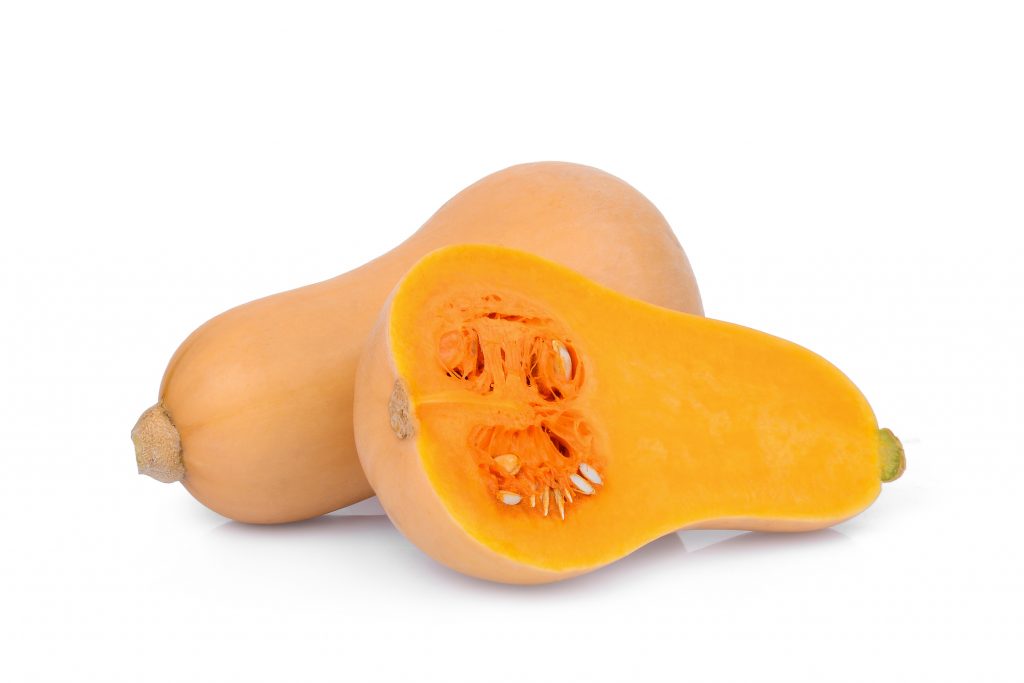
Butternut is a thin skin variety and so can be peeled. Some are tougher and so are better stuffed or roasted, or used as soup vessels such as acorn and onion squash. Sweeter varieties that are good roasted and used in stews are kabocha, butternut, crown prince, and buttercup.  Spaghetti squash breaks down into spaghetti strands when cooked so can be served in place of pasta with a sauce.

Storage tips

Keep dry and warm, above 14 degrees. A kitchen shelf is fine. Thin skinned varieties will store well for up to 3 months and tougher skin varieties for up to a year.

Once cut, store in the fridge and use within a week.

Cooking tips

Preparing:

A large sharp knife will be needed to pierce the skin and then depending on the variety and dish you will need to peel, deseed and chop.

Thin skinned (Butternut): Butternut can be peeled or the skin can be left on for extra fibre.  Cut the rounded end into 1 ½ cm slices if you would like to make butternut steaks. Or cut longways in half first and scoop out the seeds. Don’t throw these away! Place the squash on its flat side to prevent it from rolling and then cut in to bite size chunks for slow roasting.

Tough skinned:  Cut the squash/pumpkin in half, scoop out the seeds, and cut in to wedges or chunks.  Wedges work well in salads, chunks for adding to soups, stews, and curries.  If the skin is very hard and nobbily use a small sharp knife to remove the skin following the natural curve of the squash.

Seeds: Separate seeds from the pulp and massage in oil and salt. You can also add herbs and spices of choice such as sage, chilli, honey. Spread over a baking tray lined with baking paper and roast for around 10-15 mins at 150 degrees.

Roast: Drizzle with oil and season well with salt and herbs of choice. Massage so that the squash is evenly coated.  Roast slowly to bring out sweet, nutty, caramelised flavours. 180-190 degrees for 20-40 mins depending on the size of your chunks.

Stuffed:  Slice of the top and scoop out the seeds and pulp.  Or slice in two and stuff each half.  Roast on a baking tray for 30-40 mins depending on size and then add a precooked stuffing for the last 10 mins.

Simmer: Squash and pumpkin take centre stage in soups, stews and curries as they add a delicious sweet, complex carbohydrate. You can roast and add to these dishes or add towards the end of cooking and simmer until just tender.
Waste reduction tips

Save the seeds and the skin peelings. Separate the seeds from the pulp, spread over a baking tray and roast in the oven until crisp and golden.  An excellent healthy snack rich in essential fatty acids and zinc. Fry the peelings in a little oil and serve as a garnish on your dish.

Save the skin and trimmings to make a vegetable stock.

Related Recipes

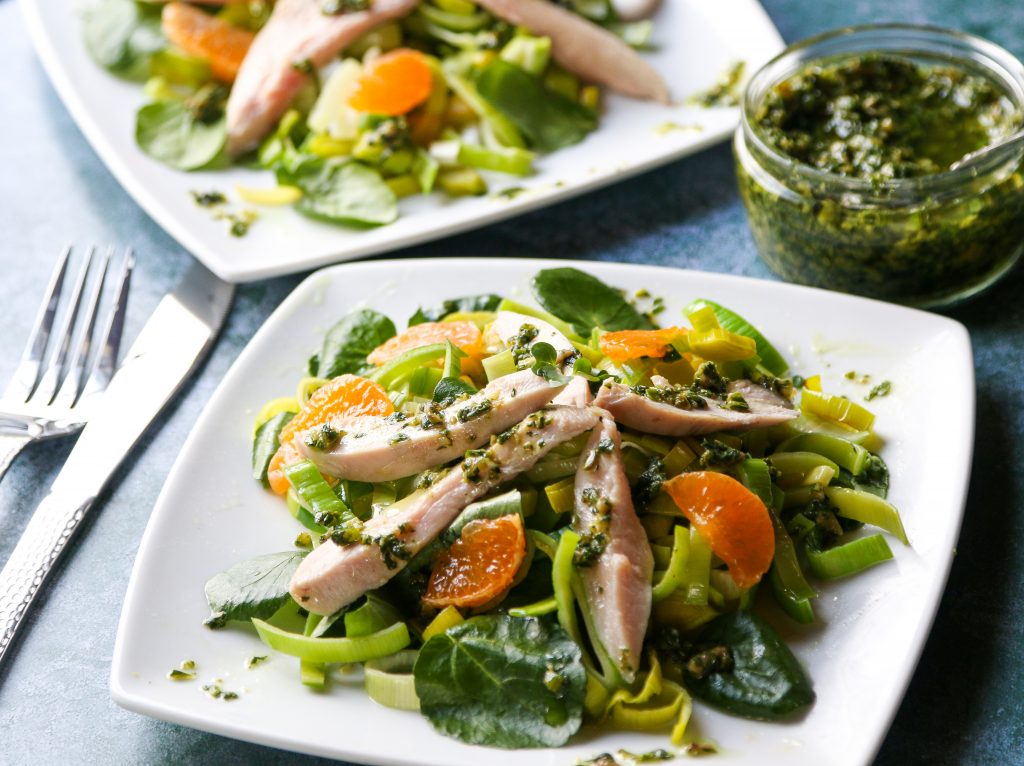
Partridge Winter Salad, With Leek Leaf Salsa-Verde
Get The Latest Updates

Subscribe To Our Weekly Newsletter

No spam, notifications only about new products, updates.

Categories