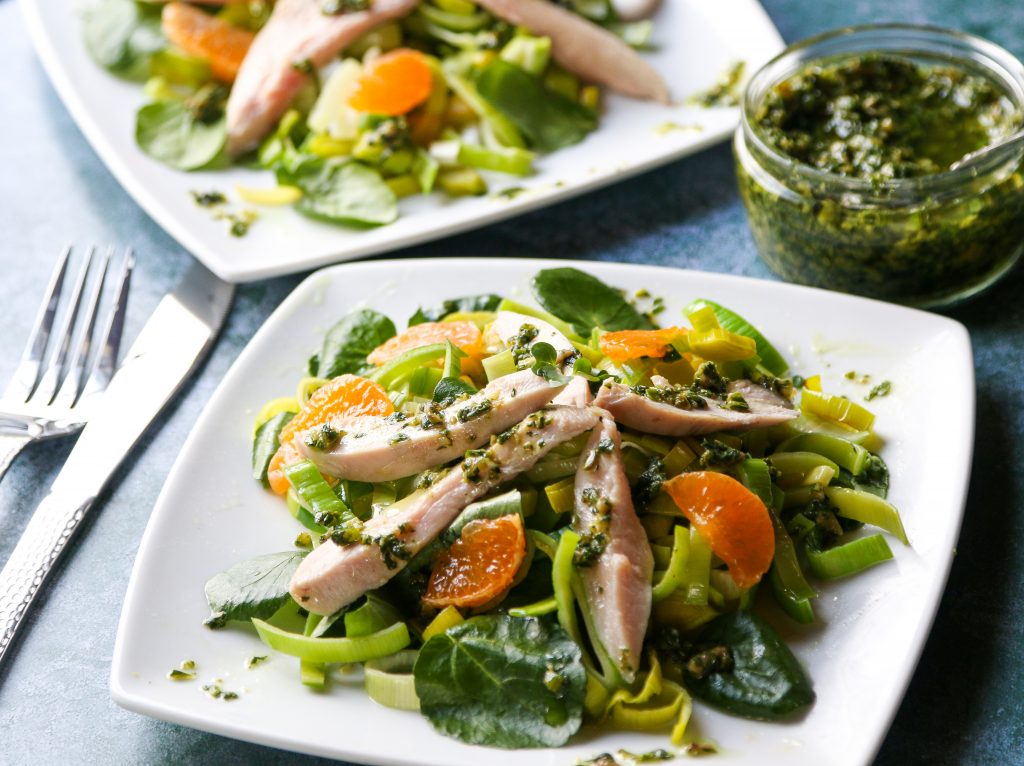
Herbs
Taste
Aromatic, earthy, peppery, bitter, woody, floral, lemon, menthol.
Potato, pulses, legumes, fish, meat, root veg, dairy, nuts, seeds.
Eat
Leaves + stems (parsley, mint, sage)
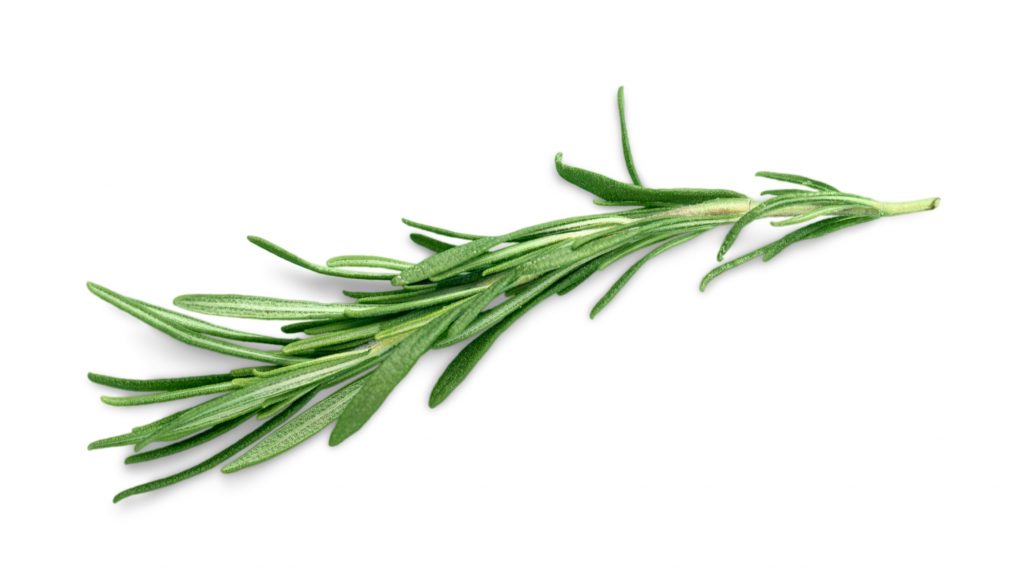
Leaves (rosemary, thyme, bay)
Health & Nutrition
Herbs provide an array of antioxidants and should be consumed daily to support a healthy diverse diet.
Buying tips
Source fresh green herbs that aren’t wilting or have visible brown or yellow spots.
Storage tips
All of these herbs are cold tolerant and so will continue to grow if a little slower during the winter months outside or in a pot inside.
For freshly cut herbs, remove elastic bands and store in an airtight bag in the fridge for maximum shelf life (1-2 weeks) or in a glass of water for a few days at room temperature.
Cooking tips
Prep:
Rinse in cold water and pat dry using a tea towel or paper towel, or air dry in a salad spinner.
Separate the woodier stems from the leaves and chop finely. Use both the leaves and stems of more tender herbs such as parsley, mint and sage.
Fresh herbs are hugely versatile and can transform dishes by adding depth, flavour, and nutrition.
Herbs can be used as whole sprigs to impart flavour or minced to add depth to a dish.
Raw: Tender herbs such as mint, parsley and thyme can all be used raw in dishes, blended into sauces, or used as a garnish to finish a dish.
Infuse into salt, butter, vinegars, cordials, kombucha, sauerkraut.
Cooked: Rosemary, sage, and bay work better when infused or cooked into dishes as they are woodier and pungent.
Fry: Fry whole sage leaves in a little oil or butter for a couple of minutes and use to garnish dishes.
Slow cooking: Bay, sage and rosemary can all be used to infuse flavour into soups, stews, risotto, sauces, roasted veg.
Waste reduction tips
Dry your herbs in paper bags, separate the leaves from the stems, and store in an airtight container for later use. They will keep for up to two years.
Use leftover stems in stocks.
Herbs freeze well. Place in a sealed bag and use within a month.
Related Recipes