Kale

Taste

Bitter, earthy, mustardy.

Eat

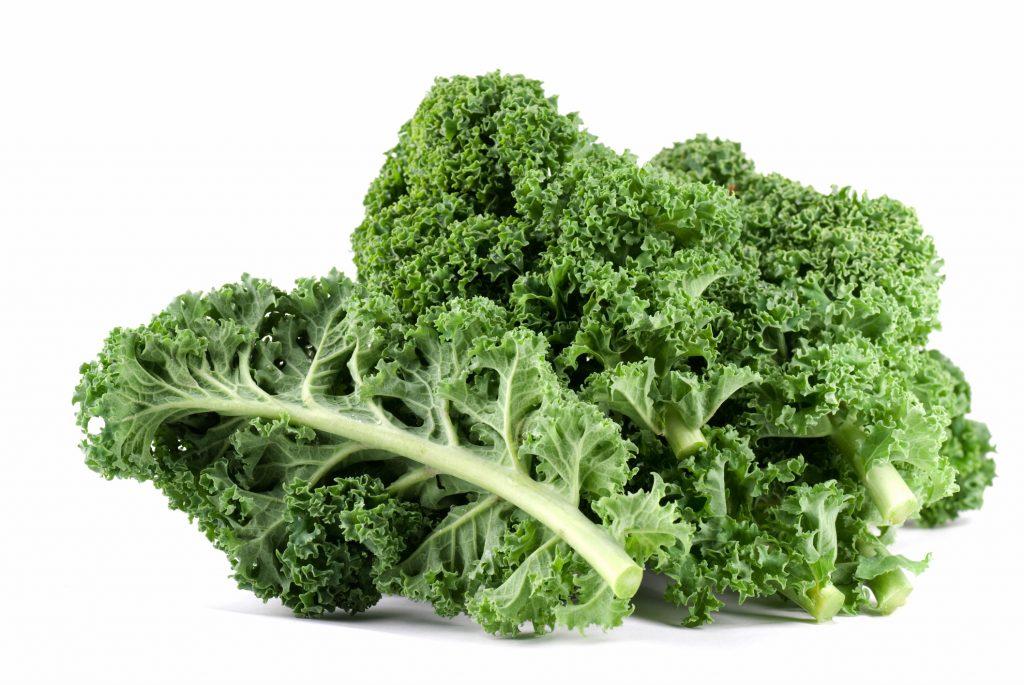
Kale comes in many varieties including:

Cavolo Nero (black) Leaves and stalks are edible on all varieties.

Curly kale

Red Russian kale

Green kale

Health & Nutrition

Kale is a member of the brassica family which is renowned for its health benefits. It contains high amounts of the antioxidant sulforaphane, fibre, folate, calcium, vitamin C, Vitamin A, vitamin K, copper, manganese, and B6. As well as many other vitamins and minerals, flavonoids, and lignans.

Buying tips

Choose kale with vibrant leaves that aren’t turning yellow or brown. Avoid leaves that are wilting and looking tired as these will contain less nutrients and flavour.

Storage tips

Keep kale in a sealed bag in the fridge to prevent it from wilting and discolouring.  Softer leaved varieties will have a shorter shelf life such as red Russian and green.

It can also be frozen.

Cooking tips

Prep:

Red Russian kale leaves and stalks are tender enough to cook together.

For tougher varieties strip the stems with your thumb and forefinger to separate the leaves. Finally slice the stems and sauté with the onions or compost/use in a stock.

To slice the leaves, layer on top of each other, roll tightly as if you were making a sushi roll, and then slice across the roll.

Raw: Slice kale leaves using the method above or tear into bite size pieces. Massage with oil and salt to soften slightly and support digestion. Use in salads as an alternative to lettuce.

Use in smoothies and juices.

Baked: Make sure leaves are dry and torn in to bite size pieces. This works best with more robust leaves such as Cavolo Nero and curly kale. Cut out the stems and save for later. Spread on a baking tray and season with salt and oil. Massage so evenly coated. Bake for 8-10 minutes until crisp.

Blanch: Bring a pot of salted water to the boil and drop the kale in for 1-3 minutes depending on thickness of leaf. Remove and plunge in to cold water to retain colour and halt cooking. Add in to dishes such as risotto, eggs, burgers, falafel, hash, pilaf, pasta bakes, lasagne, e.t.c

Simmer/boil: Add kale in towards the end of cooking to soups, stews, curries and cook for 5 mins until just wilted but still tender.
Waste reduction tips

Freeze any excess kale and use later in soups, stews, curries for added nutrition.

Bake in the oven to make kale crisps if you have a glut.

Chop hard stems finely and add to diced onions when sautéing for the base of a dish.

Related Recipes

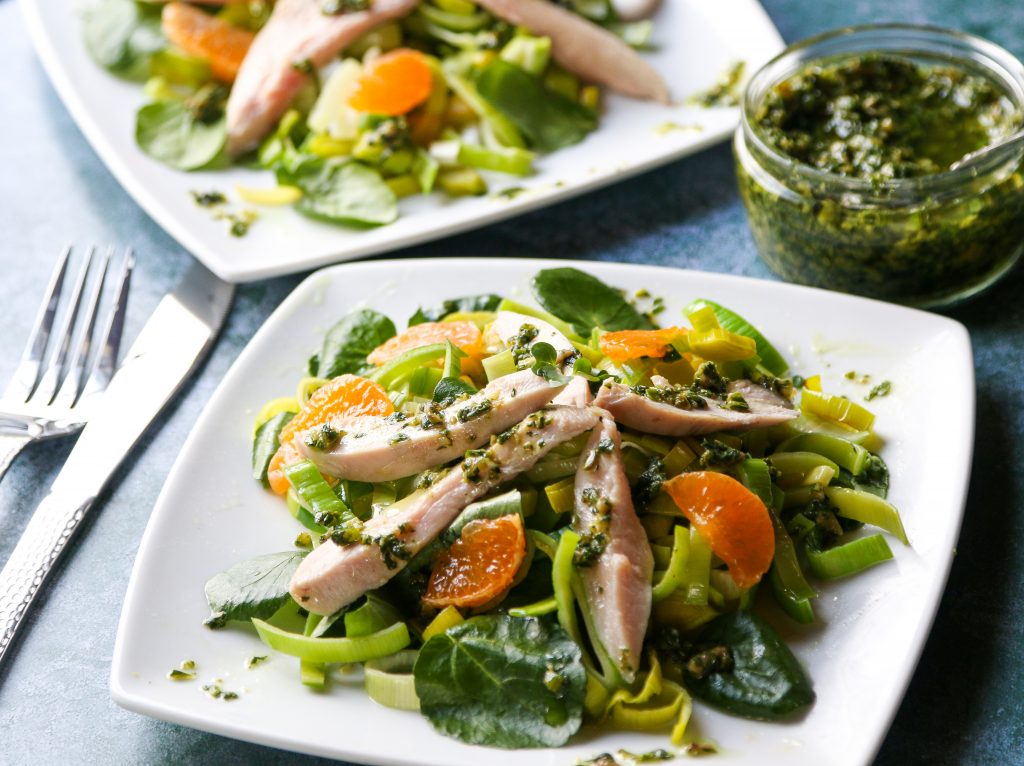
Partridge Winter Salad, With Leek Leaf Salsa-Verde
Get The Latest Updates

Subscribe To Our Weekly Newsletter

No spam, notifications only about new products, updates.

Categories