Turnip

Taste

Sweet, peppery.

Eat

Tap root.

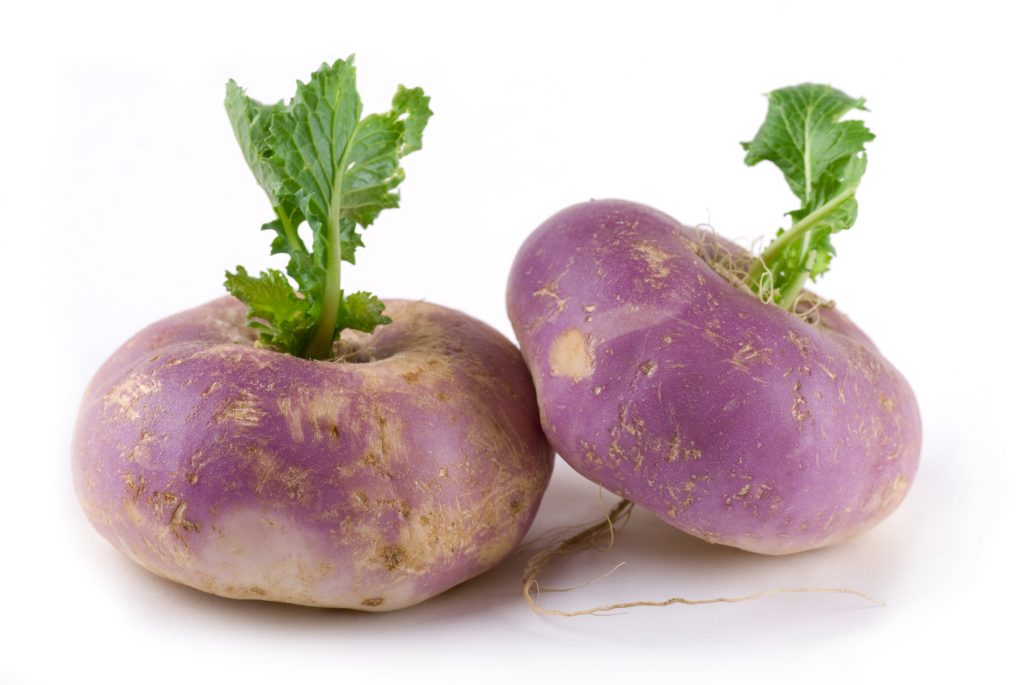
Leaves. The leaves are edible and nutritious but they don’t get much attention, and you don’t often find them with leaves attached when buying.

Health & Nutrition

An excellent source of vitamin A, C, K, B6, folate, E, fibre, and many minerals.  Turnips are a member of the cruciferous vegetables and so contain the antioxidant glucosinolate, a sulphur containing nutrient that supports detoxification in the body.  They also contain some omega 3 fatty acids and protein.  Overall a very nutrient dense vegetable.

Buying tips

Choose firm, heavy, unblemished roots. If the leaves are attached they should be green and fresh.

Storage tips

Remove leafy tops and store separately as they will draw moisture from the root.  Store the root for up to 2 weeks in the fridge in a paper or plastic bag. The leaves will store for up to 5 days in a sealed container or bag.

Cooking tips

Prep:

Peel and trim larger turnips. Younger tender ones can be eaten with skin on.

Raw: Young fresh turnips are more tender and sweet and can be eaten raw as you would a carrot. Grate or slice into salads and dips.

Roast: Cut into slices and spread out on a baking tray. Drizzle in oil and salt. Roast for 30 minutes until tender. Turn once during cooking. Use in soups, stews, mash potato, hummus.

Bake: Turnips work really well baked with other root veg such as beetroot. Slice thinly and use in gratins, root veg fries, dhal.
Waste reduction tips

Use nutrient dense turnip leafy tops as a replacement for any leafy greens.

Related Recipes

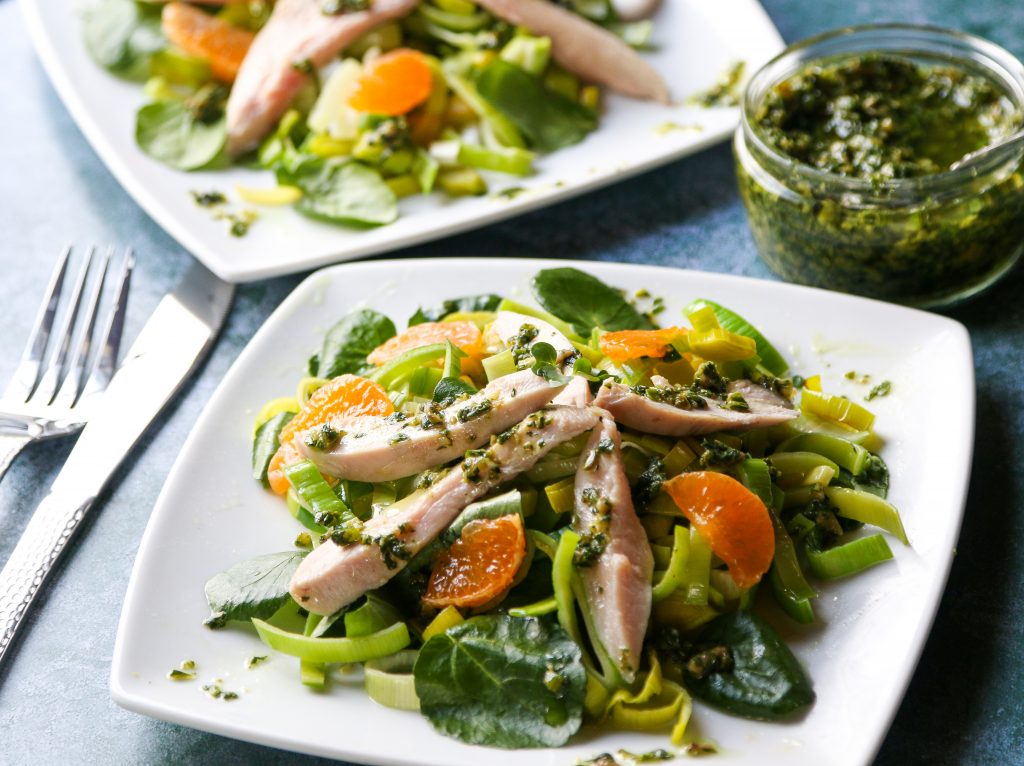
Partridge Winter Salad, With Leek Leaf Salsa-Verde
Get The Latest Updates

Subscribe To Our Weekly Newsletter

No spam, notifications only about new products, updates.

Categories